
JUN 18, 2026
The Showcase is Not the Campaign
Larry Frum
Summer Game Fest has become many things.
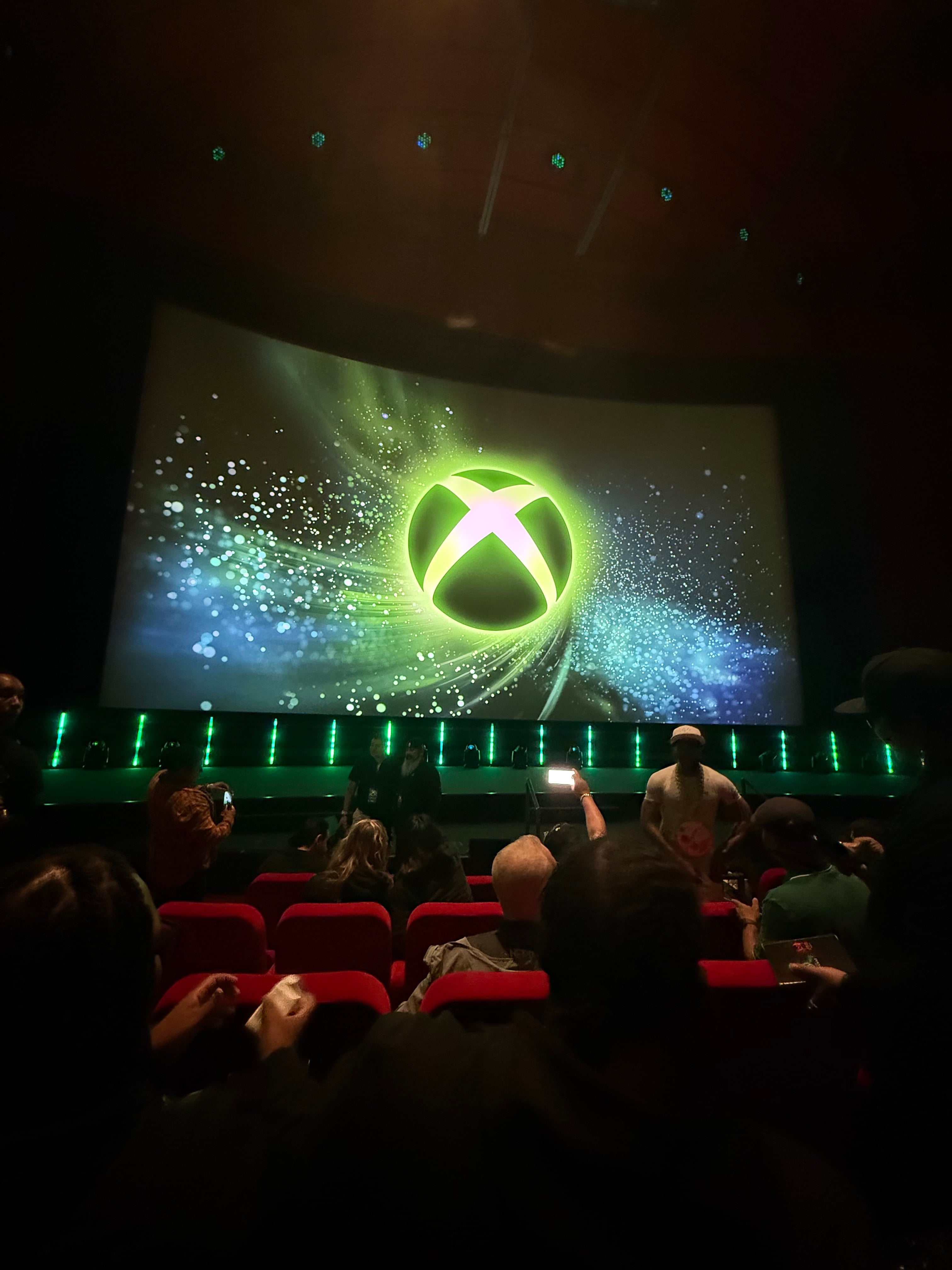
It’s Geoff Keighley’s showcase. It’s Xbox. It’s PlayStation. It’s Nintendo. It’s IGN Live. It’s Future Games Show. It’s The MIX. It’s Play Days. It’s hundreds of creator streams, press appointments, demos, interviews, and social media reactions compressed into a single week.
And for a few days every June, it still feels a little bit like the center of the gaming universe.
The mood this year was surprisingly optimistic. That’s not to say the industry’s problems disappeared. Ubisoft announced additional studio closures almost immediately after the showcases ended, and XBOX sent a next 100 days internal memo that signaled significant cuts, a reminder that difficult business realities continue to sit just beneath the surface. But walking the booths, watching the coverage, and following the conversations online, the prevailing feeling was excitement.
People were excited about games. A lot of games. Maybe too many games.
Looking back at the aggregate of announcements and fan reaction, one thing stood out immediately: most of the games that generated sustained conversation weren’t new ideas. They were continuations of worlds players already knew. Resident Evil, Final Fantasy, Zelda, Kingdom Hearts, Silent Hill, Halo, Gears of War, Onimusha, Alien Isolation and Fable to name a few. Some of the biggest reveals of the week were built on decades of accumulated audience affection.
That doesn’t mean players are rejecting new IP, but it might mean that not all shows are the right place to invest for all game types and stages of development. A couple of new franchises showed up in the headlines like Magicians: The Devil’s Deal, 1666 Amsterdam, Clutch, and Exodus to name a few.
Clockwork Revolution consistently appeared near the top of fan reaction lists and social engagement rankings throughout the week. But it’s notable that one of the few truly new worlds to break through came from a studio with a strong reputation and a clear creative identity behind it.
The lesson isn’t that players only want sequels. The lesson is that attention has become incredibly difficult to earn. And that’s where Summer Game Showcase Extravaganza 2026 becomes interesting.
The Showcase Is No Longer the Campaign
For years, our industry has treated the stage moment as the objective. You get into E3, get into a platform showcase, debut the trailer, get coverage, and success will follow.
That playbook worked when there were fewer games, fewer platforms, fewer creators, and fewer places competing for attention. That world no longer exists.
This year alone, audiences were asked to follow State of Play, Summer Game Fest, Future Games Show, Xbox Showcase, IGN Live, Nintendo Direct, The MIX, Play Days, publisher events, creator coverage, and countless social conversations happening simultaneously.
Every showcase was fighting for attention. Every game was fighting for attention. Every creator was fighting a share of the audience’s attention. The result is that visibility itself is no longer a scarce resource.
Attention is.
Getting on stage matters. It still drives awareness. It still creates headlines. It still provides validation. However, it is increasingly becoming the starting line rather than the finish line. The real question isn’t what happens during the showcase, but what happens during the six to eight weeks that follow it. What content are you releasing? What stories are you telling? What creators are still talking about your game? What reasons are you giving players to come back into the conversation?
Because by Monday morning, another game is already trying to take your place.
The Creator Challenge Nobody Talks About
The challenge for new IPs is becoming even harder, because they aren’t just competing against other new games. They’re competing against audience history. Many creators built their communities around franchises that are now releasing their sixth, seventh, or even tenth installment. A creator doesn’t need to explain why they’re excited about Resident Evil. They don’t need to educate their audience about Halo. They don’t need to establish credibility when discussing Zelda, Final Fantasy, or Gears. The audience already understands the shorthand.
The emotional connection already exists.
Every sequel launches with years or decades of accumulated conversation behind it. A new IP has to build that relationship from scratch, and while that doesn’t make success impossible, it does make community and creator strategy significantly more important than they were a decade ago. You can’t simply announce a game and expect awareness to become advocacy; you must earn that progression.
There Is No Universal Playbook Anymore
If there was one lesson from Summer Game Fest 2026, it was this: there is no longer a universal launch playbook.
The industry used to believe the pathway to success was teaser reveal -> preview cycle -> launch trailer -> review cycle -> ship. If you had a day one patch or some DLC, maybe you’d extend that. Most publishers started planning their accolades campaign to run shortly after launch, but that was just a strong way to extend launch paid media with good creative.
Today, even the biggest franchises are evolving their approach. They’re building creator ecosystems earlier, and they are investing in community programs. They’re maintaining year-round content cadences. They’re looking for ways to stay relevant between major beats.
That creates more competition for everyone. Not less.
The games that break through aren’t necessarily the ones with the biggest reveal. They’re the ones that successfully sustain conversation after the reveal. The ones that find an audience that genuinely loves what they’re building. The ones that give those players reasons to participate. The ones that create belonging rather than simply awareness.
The stage moment still matters, but increasingly, it is only the beginning.
The publishers and games that will win over the next decade won’t be the ones that can get the most people to watch a trailer. They’ll be the ones that can build a community that keeps talking long after the trailer ends.
Find the people who love your game and love them back. Then let them help you break through the noise.